
In our store, a familiar and rather interesting scene often unfolds.
Some customers stand in front of the Tibetan incense display, unsure how to choose. A few feel tempted to gently open the paper box to catch a glimpse of the scent inside; some others lean closer and inhale carefully through the packaging. Yet after that first curious breath, a subtle look of confusion often appears on their faces:
“It seems… there’s no smell?”
This moment is almost universal for those encountering Tibetan incense for the very first time. In truth, it is not that Tibetan incense is “unscented,” but rather that this very experience reveals how fundamentally different Tibetan incense is from many other forms of incense.
Why Does Tibetan Incense Often Seem to Have No Scent at First?
If you are familiar with common scented stick incense or aromatic products, you may be used to detecting a clear, sometimes strong, fragrance even before they are lit. Tibetan incense, however, is often the opposite. This difference comes from its unique ingredients and traditional methods of making.
Traditional Tibetan incense mostly originates from the Himalayan region. Its ingredients generally consist of natural plant materials, which may include high‑altitude herbs, wood, bark, roots, stems, seeds, leaves and flowers, along with small amounts of natural resins and spices. These materials are typically neither chemically treated nor enhanced with artificial fragrances. As a result, when unlit, Tibetan incense often has a very subtle scent — sometimes no more than the natural aroma of dried plants.
Most Tibetan incense is made entirely by hand. Traditional methods often begin by grinding the raw materials into fine powder. The powder is then combined with water or a small amount of plant-based glue to form a paste, and finally hand-rolled or shaped before being left to air-dry naturally.
This process is closer to preparing herbal medicine or food than to “manufacturing fragrance.” Consequently, when Tibetan incense is unlit, its scent is often faint, elusive, and difficult to identify.
The True Aroma of Tibetan Incense When It Is Lit
The true charm of Tibetan incense reveals itself only when smoke begins to rise.
As a glowing ember touches the incense, the fragrance is gradually released. The aroma spreads slowly with the smoke, never sharp, never sweet, never overwhelming. Many people describe it as quiet and layered, a scent that naturally encourages slower breathing and calm presence.
In many Tibetan households and traditional living contexts, incense is not intended to be “smelled” in the conventional sense. Rather, it is used to purify the space, settle the mind, and accompany daily life and spiritual practice. For this reason, its fragrance tends to be gentle and enduring, quietly present without demanding attention.
Tibetan Incense Appearance and Unique Features
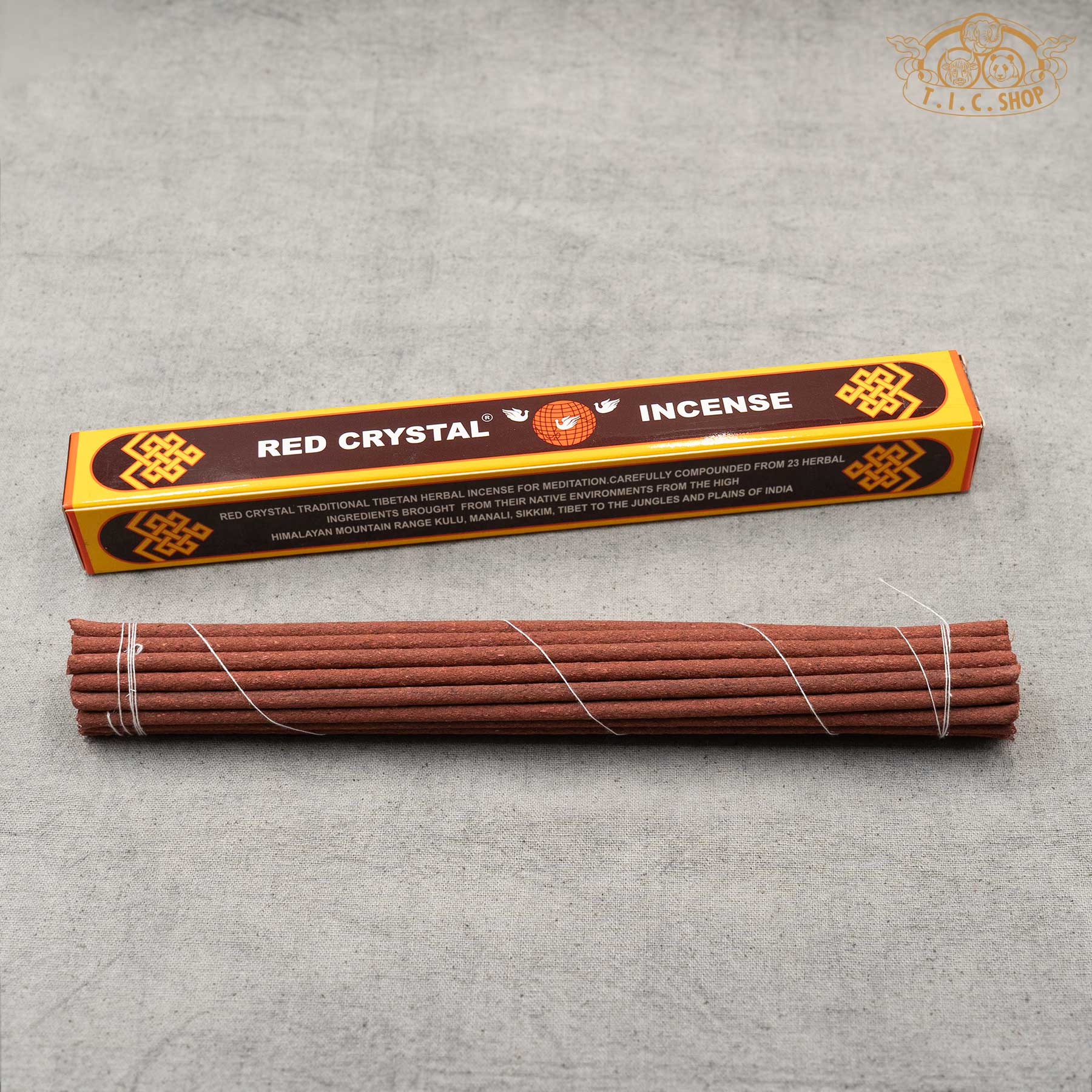
You may notice that Tibetan incense sometimes looks different from the fine, uniform incense sticks commonly seen. Stick thickness may vary slightly, surfaces are not perfectly smooth, and they may curve subtly. This is evidence of the continued use of handcrafting methods and an emphasis on the natural state of both materials and process.
This unpolished appearance conveys a sense of simplicity and sincerity, often described as a rugged, mountainous beauty. These differences are not about better or worse—they simply reflect a distinct cultural approach to what incense is meant to be.
Common Forms of Tibetan Incense
- Tibetan Incense Sticks / Cones
The most common and user‑friendly form.
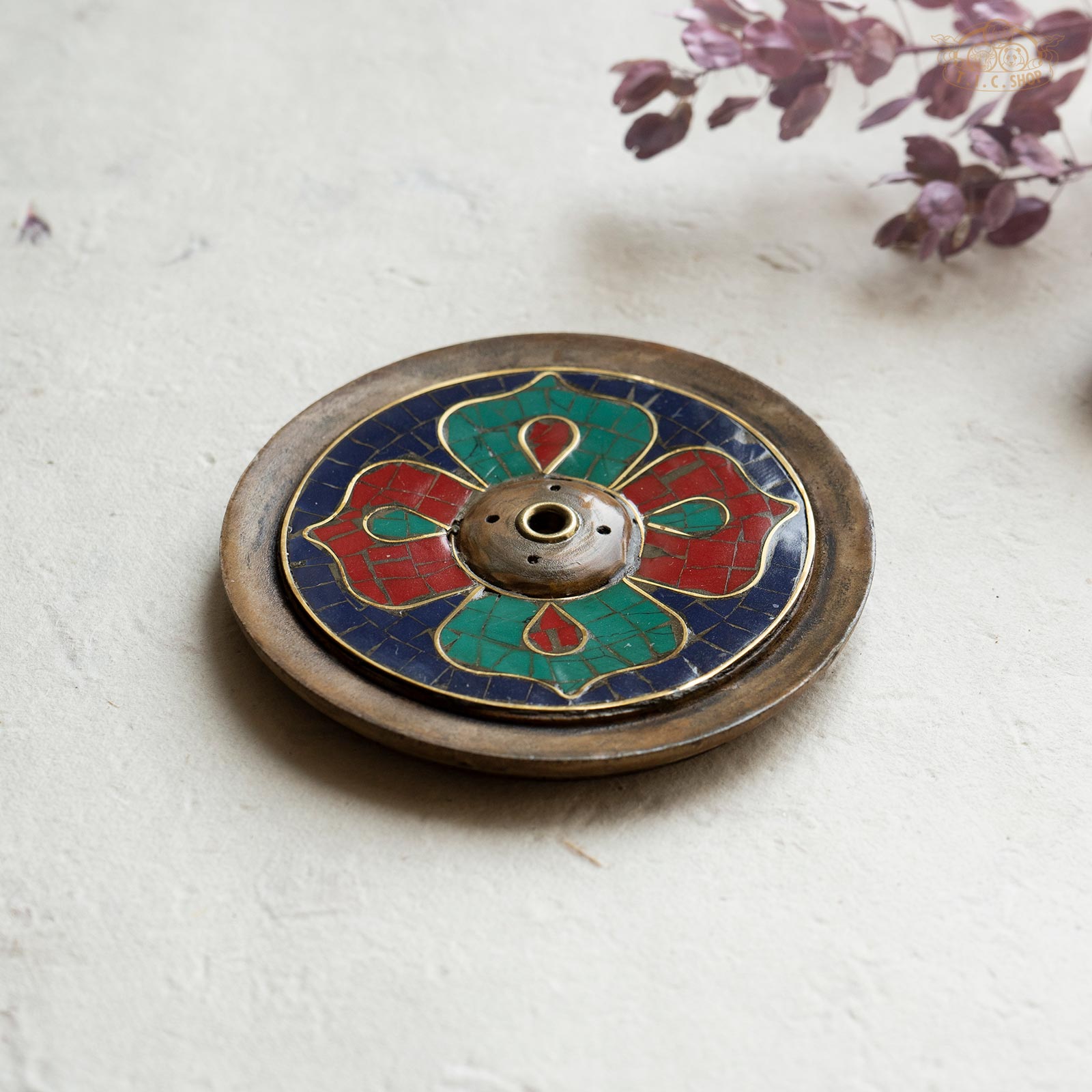
How to use: Place in an incense holder or incense box and light one end.
Best for: First‑time users, daily home use, reading, meditation, and those who prefer a simple and convenient experience.
- Tibetan Incense Powder
A form closer to traditional methods of use.
How to use: Place in an incense burner, usually with indirect heat or slow smoldering methods. You can also use a small mold, or simply shape the powder into a thin line or pattern and light one end so it burns slowly. The aroma is often stronger and more enduring.
Best for: Those already familiar with Tibetan incense, people who enjoy traditional or ritual-style incense use, and those who prefer a stronger, more concentrated aroma.
Traditional Uses and Effects of Tibetan Incense
Within Tibetan culture and the traditions of Tibetan Buddhism, incense is more than a fragrance. It is a daily object imbued with cultural meaning and spiritual companionship. Throughout history, Tibetan incense has been regarded as a bridge between the natural world and spiritual practice.
Purifying Space and Harmonizing the Environment
The smoke released by burning Tibetan incense is traditionally believed to help refresh the air, reduce unwanted odors, and create a sense of purity. In Tibetan households and monasteries, incense is commonly burned during daily life, festivals, and ceremonial occasions. It is a practical habit as well as an expression of ritual mindfulness.
From a traditional perspective, the rising smoke is also understood to dispel stagnant or heavy energies, bringing clarity and lightness to the surrounding space.
Regulating the Mind and Supporting Rest
The natural herbs, roots, and bark used in Tibetan incense release aromas during burning that are traditionally associated with emotional balance and relaxation. Whether in daily routines, meditation, or quiet sitting, lighting incense can help calm the mind, ease tension, and support concentration.
Religious and Spiritual Significance
In Tibetan Buddhist rituals, incense is commonly offered to the Buddha, used in prayers and blessings, and serves as an expression of respect and devotion. The gentle ascent of smoke symbolizes the carrying of wishes and wholesome intentions toward higher realms.
In certain traditional prayers, incense smoke is also associated with clearing inner obstacles and supporting clarity of mind.