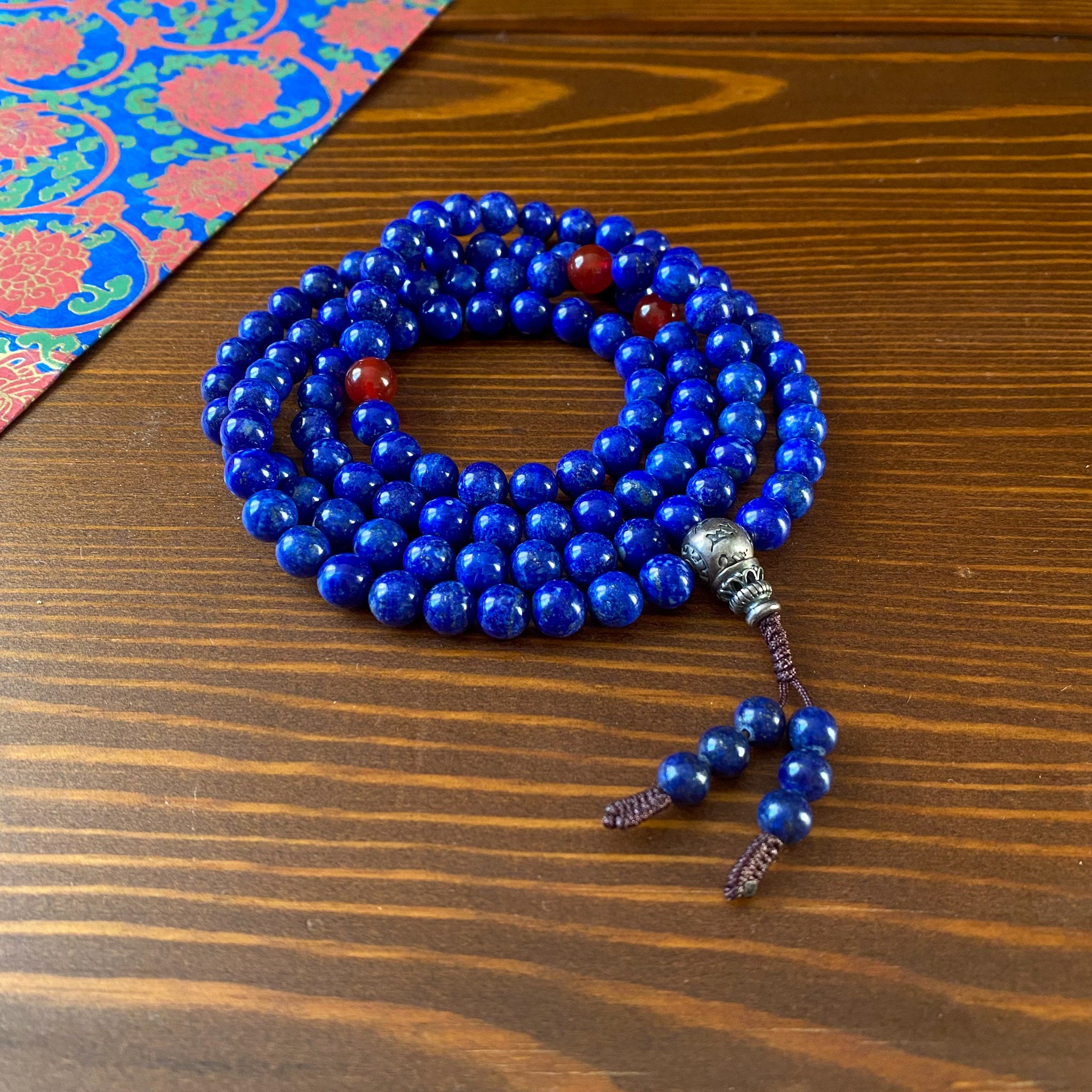

Lapis lazuli is a deep blue metamorphic rock admired for its intense color and distinctive golden flecks of pyrite.
Known as a stone of wisdom and truth, lapis lazuli has long been linked to knowledge, self-expression, and inner awareness.
| Sagittarius | Virgo | Libra | Aquarius |
| Throat Chakra | Third Eye Chakra |
Lapis Lazuli Symbolizes
-
Wisdom and Truth: Lapis lazuli has long been associated with wisdom and the pursuit of truth. In many ancient cultures, it was valued as a symbol of knowledge and inner understanding.
-
Communication and Expression: Closely connected with honesty and communication, lapis lazuli is believed to support clear expression and the ability to speak one’s truth with confidence.
-
Insight and Inner Awareness: The stone is often linked to perception and reflection, encouraging deeper awareness, intuition, and a broader perspective.
- Power and Prestige: Historically, lapis lazuli was prized by royalty and elites, symbolizing status, authority, and spiritual significance in civilizations such as ancient Egypt and Mesopotamia.
Meditation & Healing
Lapis lazuli is often used in meditation to encourage focus, clarity, and inner awareness. Its calming presence supports a steady and reflective state of mind.
Connected to the Throat Chakra and Third Eye Chakra, lapis lazuli is believed to support communication, insight, and self-expression, while encouraging clarity in thought and perception.
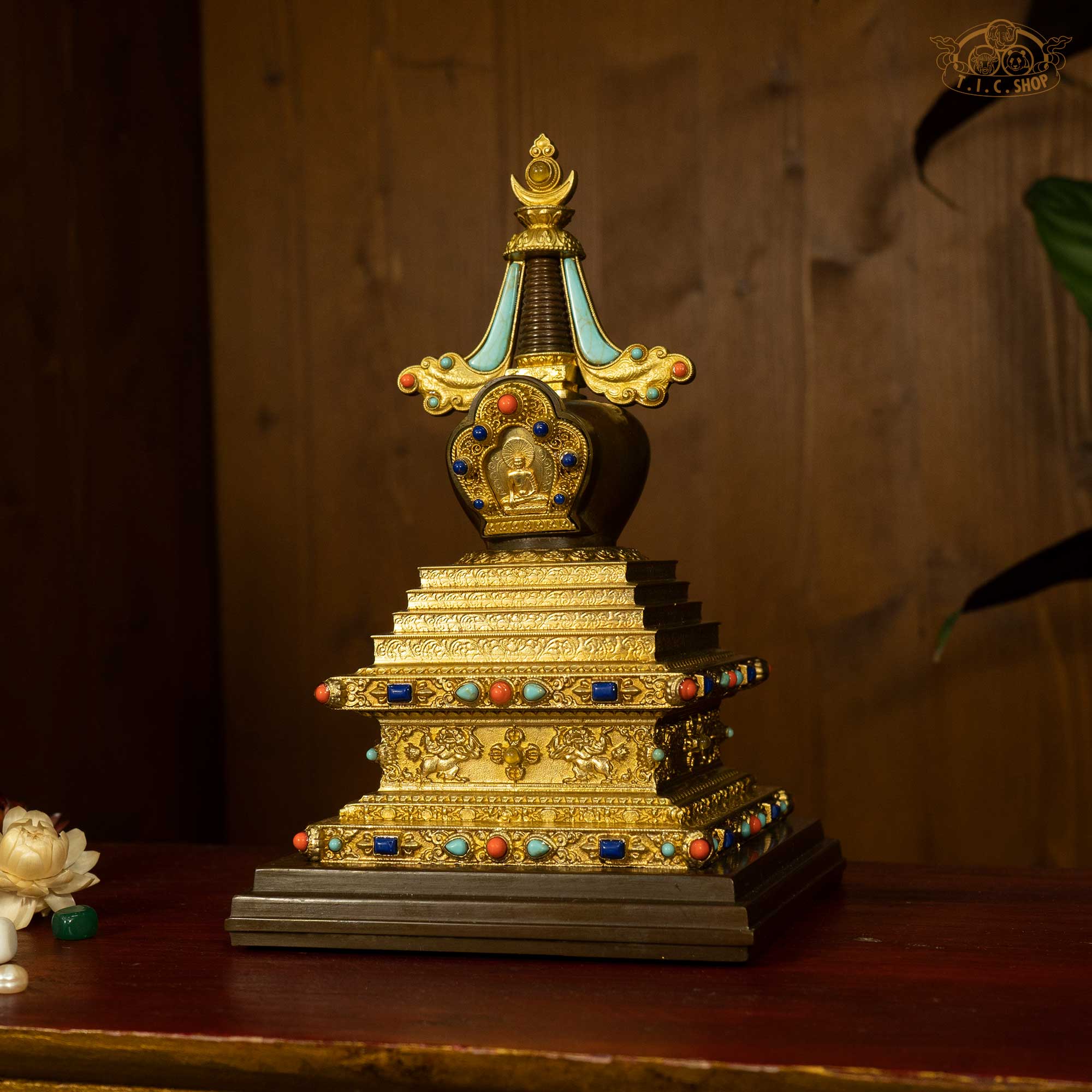
In Buddhist traditions, lapis lazuli is associated with wisdom and spiritual awareness. Its deep blue color is often seen as a symbol of depth and insight, and it has been used in sacred art and objects, reflecting its cultural significance.
Lapis Lazuli Origins & Legends
The name lapis lazuli comes from the Latin lapis meaning “stone” and the Persian lazhuward, referring to its deep blue color.
Lapis lazuli has been mined for over 6,000 years, with the most important historical sources located in present-day Afghanistan.
In ancient civilizations such as Mesopotamia and Egypt, and later in Greece and Rome, it was highly valued for its rich color and rarity. In Egypt, it was used in jewelry, amulets, and funerary objects, often associated with status and spiritual significance.
Across cultures, lapis lazuli has been regarded as a symbol of wisdom, power, and protection, and has been widely used in art, ornamentation, and cultural traditions.
Key Properties
- Color: Deep blue with golden pyrite inclusions and occasional white calcite
- Hardness: 5–5.5 (Mohs scale)
- Luster: Vitreous to dull
- Composition: Primarily lazurite, with calcite and pyrite